
Alfalfa Hay for Sale
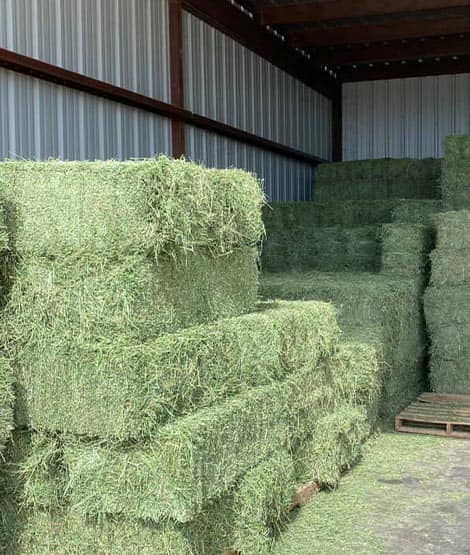
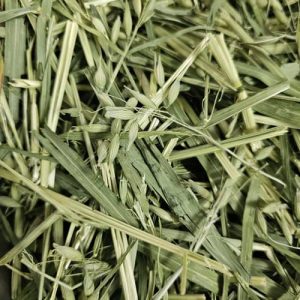
Do you need Alfalfa hay for sale near you? Lucerne or Alfalfa hay is a very nutritive legume hay known to contain high levels of protein, calcium and energy. Thus, it is best for milk producing livestock like cows and performance animals like horses. Good Alfalfa hay is dark green in color with a pleasant aroma. It also contains clover-like leaves and fine stems. Therefore superior to grass hay in nutrients. In addition to that, alfalfa hay is rich in digestible carbohydrates and low in cell walls. This makes it easy to consume in larger amounts. However to maintain calories intake levels Alfalfa hay is often mixed with grass hay before feeding to animals.
Alfalfa Hay Bales for Sale
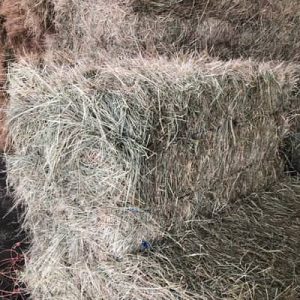
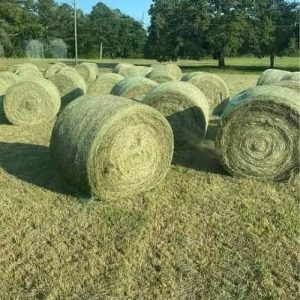
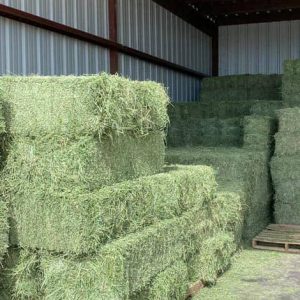
Alfalfa hay bales are produced by compacting this dried legumes using a Baler. Bales of Alfalfa hay for sale are available in various sizes and forms that is from small to large and square or round bales respectively. These bales weigh as follows:
- Small square bales: 40-75 lbs
- Large square bales: 800-2000 lbs
- Large round bales: 1000-2000 lbs
These our hay bales pass the following quality indicators of good hay. Firstly, Cleanliness is very important for the safety of your cattle. Good alfalfa hay bales should be free from weeds, mold, dust and contaminants. Secondly moisture should be around 15-20%. That means it should not be too dry or too wet. This assures our customers that they can store tons Alfalfa hay bales in their barns without fear. Thirdly, bales with high leaf-to-stem ratio indicates higher nutrition. To conclude that deep green color and sweet aroma makes animals feed even better. Harris hay suppliers produce the best alfalfa hay bales for sale near me.
Harvesting and Processing Hay
The steps we take to harvest and produce bales of Alfalfa hay in the U.S are very simple but technical. This involves the use of special equipment at particular times to increase yield and grade.
Harvesting
- Cutting Stage: Cut at early bloom with around 10% flower. This step is often 60-70 days after emergence and yields premium grade hay.
- Drying: Drying legumes is a critical step because if not well done you will not be able to store hay for long. So we make wide windrows when drying to increase airflow while reducing ash content. Dry to 13-17% before baling.
Equipment
- Rake: Gathering hay into windrows
- Mowing and Conditioning: Use a mower-conditioner to cut and crimp stems for faster drying.
- Baling: A tractor pulls a baler to collect dried legumes to produce different bales.
Timing
- Spring and Summer: Multiple harvest, every 30 days averagely and this ends by early September.
- Fall Harvest: This is the last cut before the first hard frost.
Cutting 3-4 times yearly is common and the different cuts come with different nutritional values.
- Year Cut: 2024 and 2025
- Cut Number: 1st(stemmier with more fiber but less nutrient-dense), 2nd(softer, leafier, higher in protein) and 3rd(highly digestible)
Reviews
There are no reviews yet.